
Steel sheets for construction and repairs of ships
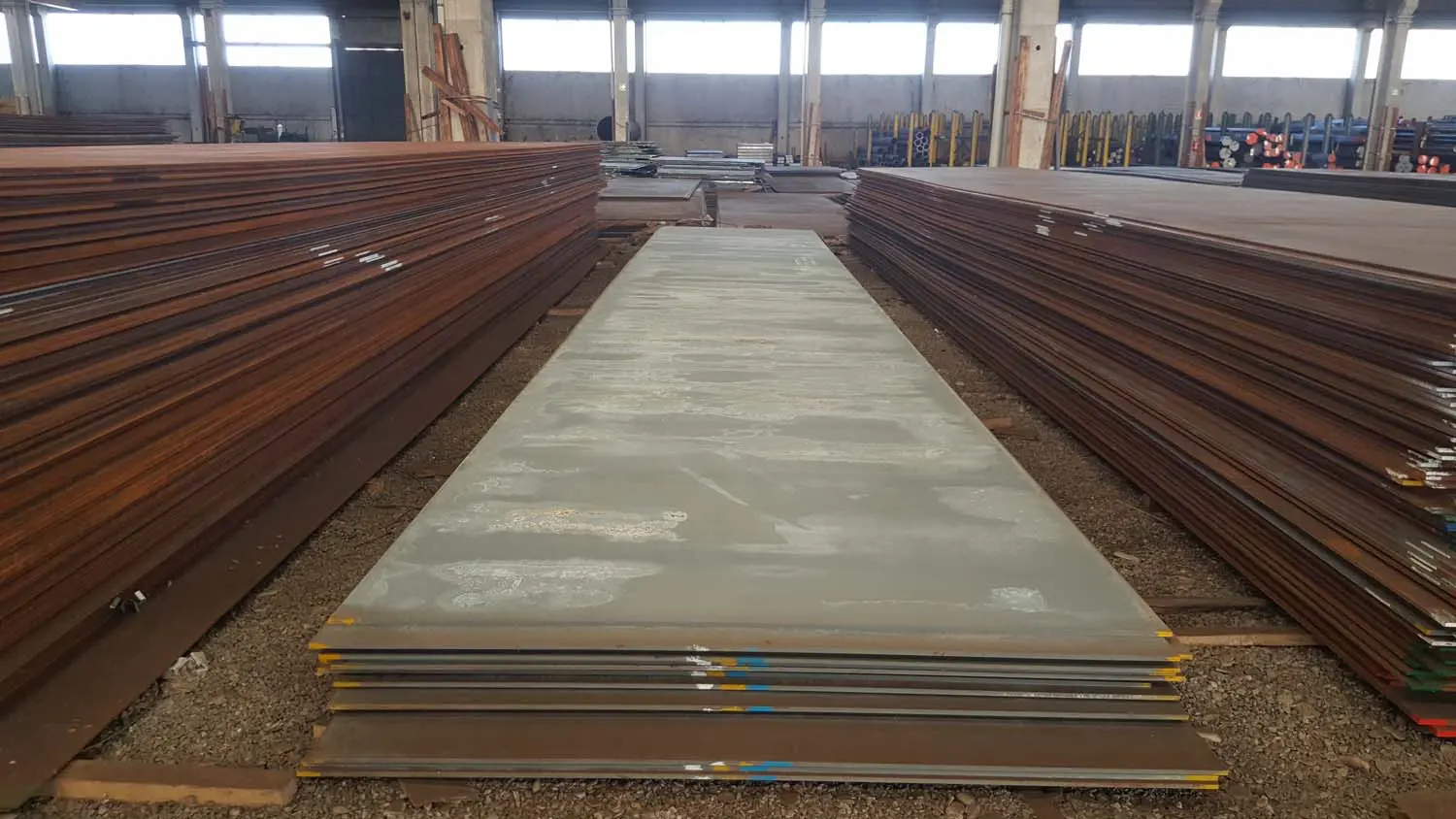
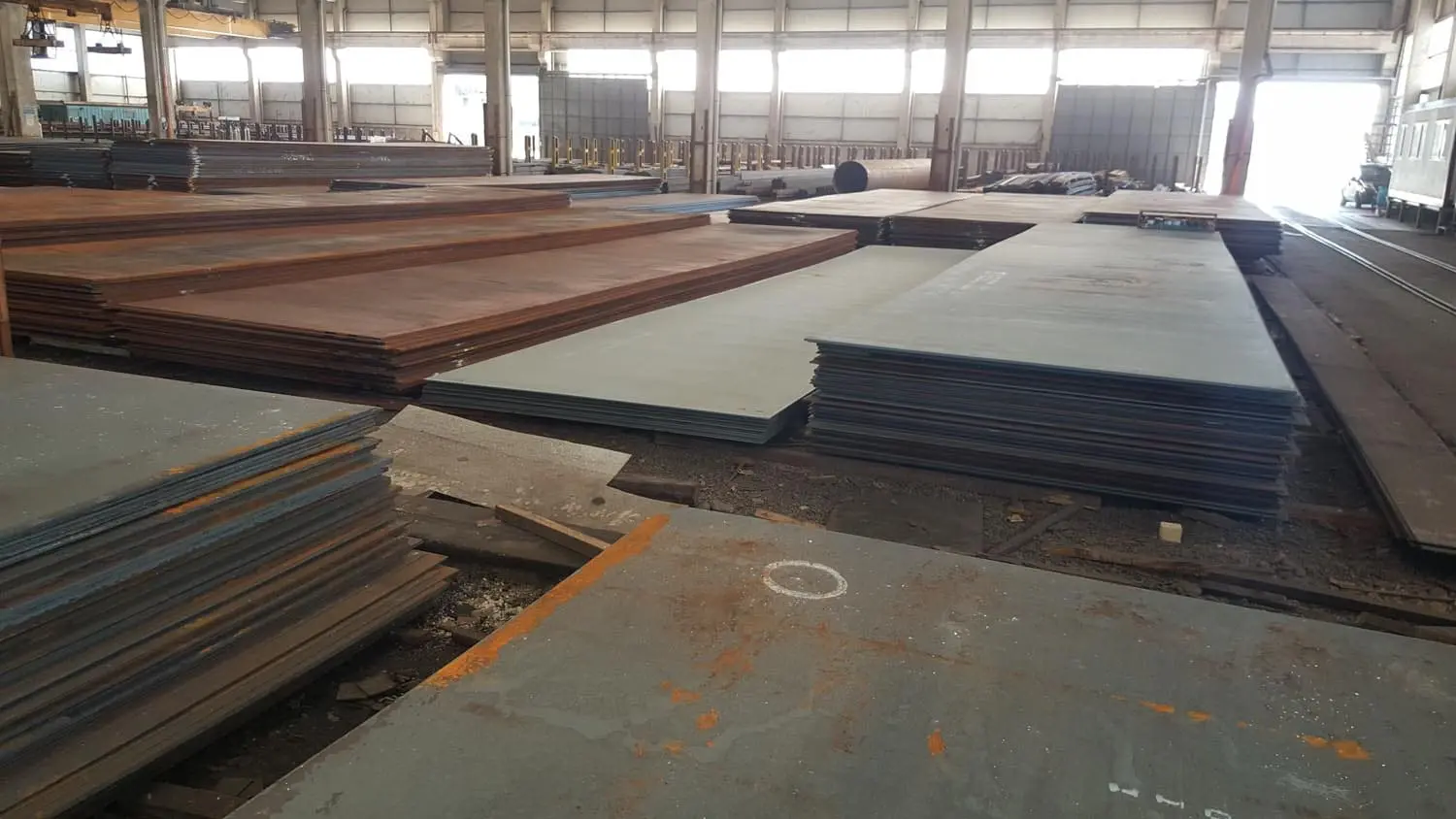
Rolla, Traverso & Storace provides steel sheets, flat plates and profiles for the construction and marine repair sector, with material in stock in the warehouses in Genoa and Rivalta Scrivia. The material is of European production and certified by the main international classification bodies.
The Genoa headquarters is located a few minutes from the port: for the repair yards in the port area, this means being able to rely on material available on the same day, even for unplanned work. This is a condition that makes a difference in naval repairs, where the cost of the ship stuck in the dock outweighs the cost of the material.
The grades of naval steels: how to orient yourself
The steels for shipbuilding are classified by the registration authorities according to two parameters: the load of minimal nervousness and the The temperature at which the material must guarantee resilience.
Normal-strength steels are identified by the letter A, With a minimum yield stress of 235 MPa. The letter indicates the severity of the resilience test: Grade A is the most common for non-critical structures.
Normal-strength steels are identified by the letters A, B, D and E, With a minimum yield stress of 235 MPa. The letter indicates the severity of the resilience test: Grade A is the most common for non-critical structures, while D and E guarantee toughness at progressively lower temperatures and are required for structural elements subjected to severe loads or for navigation in cold waters.
High-strength steels carry a numerical suffix indicating the strain: AH36, DH36, EH36 They have a minimum yield stress of 355 MPa. The use of AH steels allows the thickness of the beam to be reduced while maintaining structural strength, with a weight saving that translates into greater carrying capacity or lower consumption. Again, the initial letter indicates the level of strength required.
How to choose
The ship's classification and the position of the element in the hull determine the required degree. The design and the classification body indicate which combination of strength and durability is permitted for each component. Rolla, Traverso & Storace provides the material in the required degree, with the certification of the corresponding body.
The available range
Type
Technical characteristics
Thickness
Carbon steel sheets for construction and repairs of ships
Grades A, B, D, E, AH36, DH36, EH36 · Sand-coated SA 2.5 + primed 15/20 microns · Ultrasonic inspections · Z axis
4-150 mm
Carbon steel sheets for structural applications
S275JR / S355J2+N / S355NL
5-80 mm
Bulb-shaped dishes
Grades A, AH36, DH36, EH36 · Sabbiati SA 2.5 + primed 15/20 microns
60-430 mm
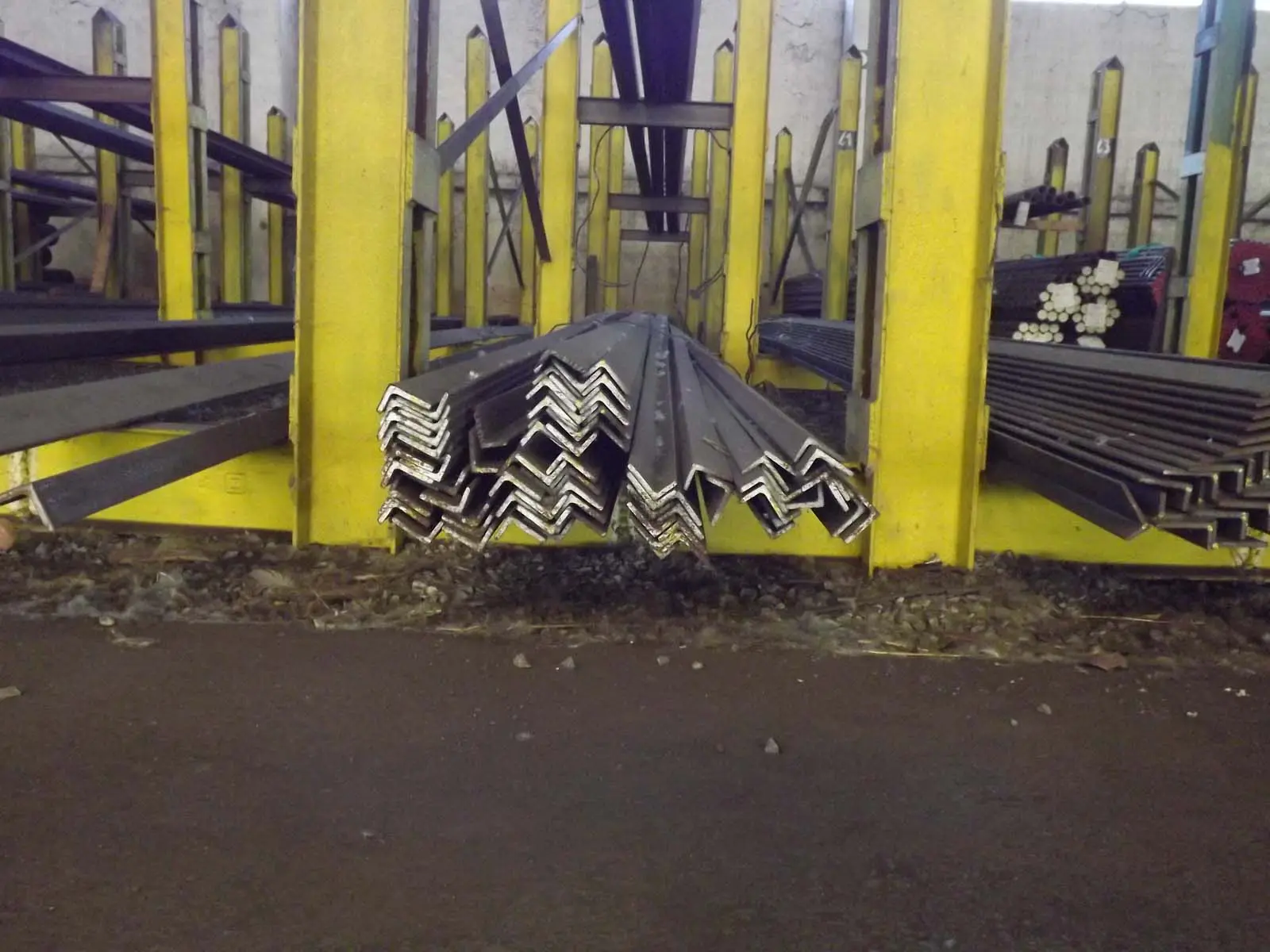
Sections and beams for structural and naval applications
Supply from stock of commercial profiles certified by the major classification agencies · Sabbiati SA 2.5 + primed 15/20 microns
All sizes
The available range
Carbon steel sheets for construction and repairs of ships
Technical characteristics
Grades A, B, D, E, AH36, DH36, EH36 · Sand-coated SA 2.5 + primed 15/20 microns · Ultrasonic inspections · Z axis
Thickness
4-150 mm
Carbon steel sheets for structural applications
Technical characteristics
S275JR / S355J2+N / S355NL
Thickness
5-80 mm
Bulb-shaped dishes
Technical characteristics
Grades A, AH36, DH36, EH36 · Sabbiati SA 2.5 + primed 15/20 microns
Thickness
60-430 mm
Sections and beams for structural and naval applications
Technical characteristics
Supply from stock of commercial profiles certified by the major classification agencies · Sabbiati SA 2.5 + primed 15/20 microns
Thickness
All sizes
*The thicknesses and quality indicated are those normally available. For sizes, grades, or quantities other than those in stock, we handle dedicated orders at our partner steel mills.
Bulb-shaped dishes
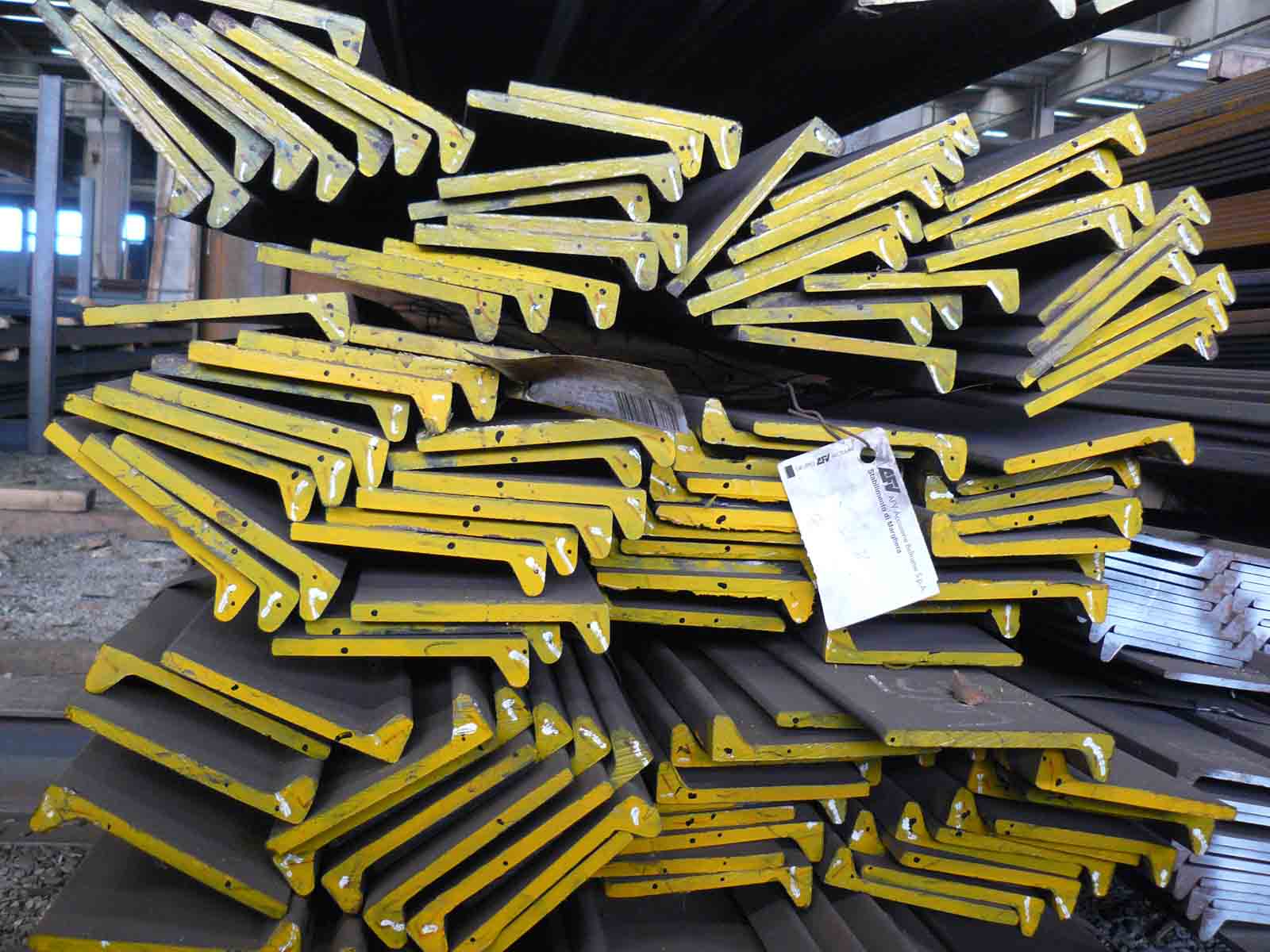
The bulbous plate is an asymmetrical profile with an enlargement on one side, used as a stiffening of the beam in naval structures. Compared to a simple plate, it offers greater moment of inertia at the same weight, and compared to a T-shaped profile, it does not require component welding: it arrives already in its finished form.
Available in grades A, AH36 and DH36, in sizes from 60 to 430 mm, sandblasted SA 2.5 and primed 15/20 microns. They are supplied with the certification of the classification body required by the contract.
Sheets for structural applications
Alongside the nominal sizes, the range includes structural steels according to EN 10025: S275JR, S355J2+N and S355NL, In thicknesses ranging from 5 to 80 mm. They are used in non-classified shipboard structures, in outfitting, in shipyard structures, and in carpentry associated with naval work.
The S355J2+N It is the most requested grade for general structural applications, supplied in the normalized state. S355NL It guarantees resilience at lower temperatures and is indicated where the specifications require toughness at -50 °C.
Steel for the offshore sector
For offshore structures, the range includes steels according to EN 10225, designed to withstand cyclic loads and the environmental conditions of the open marine environment:
Quality
State of supply
Thickness
S355G7+M / S355G8+M / S355G9+M / S355G10+M
Thermo-mechanical
8-100 mm
S355G7+N / S355G8+N / S355G9+N / S355G10+N
Normalized
100-150 mm
S420G2+M / S460G2+M
Thermo-mechanical
10-100 mm
G-series steels are required for fixed platforms, jackets and structures in marine environments, where high toughness, weldability over large thicknesses and fatigue resistance are required. The designation +M indicates thermo-mechanical rolling, +N the normalized state.
Steel for the offshore sector
For offshore structures, the range includes steels according to EN 10225, designed to withstand cyclic loads and the environmental conditions of the open marine environment:
S355G7+M / S355G8+M / S355G9+M / S355G10+M
State of supply
Thermo-mechanical
Thickness
8-100 mm
S355G7+N / S355G8+N / S355G9+N / S355G10+N
State of supply
Normalized
Thickness
100-150 mm
S420G2+M / S460G2+M
State of supply
Thermo-mechanical
Thickness
10-100 mm
G-series steels are required for fixed platforms, jackets and structures in marine environments, where high toughness, weldability over large thicknesses and fatigue resistance are required. The designation +M indicates thermo-mechanical rolling, +N the normalized state.
Sandblasting and primerization
Sheets, flat plates and profiles are supplied sandblasted to SA 2.5 grade according to ISO 8501-1 and primed with shop primer of 15/20 microns.
The SA 2.5 sanding corresponds to a nearly white metal cleaning: it removes scale, rust and residues, leaving the surface ready for painting. The shop primer protects the material during storage on site and during processing phases, and is compatible with subsequent painting cycles. For the site, it means receiving material ready for cutting and welding, without having to handle the surface preparation internally.
Checks and tests on naval material
Ultrasonic inspection
Z test (tensile test in the direction of the thickness)
Hardness test HB
Supplementary mechanical tests
Inspections in the presence of the classification bodies
HIC test according to NACE or other standards
The Z test It deserves a mention: it checks the material’s resistance to tensile forces perpendicular to the surface and prevents lamellar tearing, the peeling off that can occur in joints welded with strong bond, a situation that is common in naval structures. It is often required by classification bodies for high thicknesses.
All tests are performed by Accredia-approved laboratories.
Certification of rating agencies
The material intended for shipbuilding is certified by the main maritime registries: RINA, Lloyd's Register of Shipping, DNV.GL, Bureau Veritas, American Bureau of Shipping, and the NK Nippon Kaiji Kyokai.
The entity is indicated by the contracting authority according to the ship's ranking. Rolla, Traverso & Storace organizes the presence of the inspector for the tests and provides the corresponding documentation.
Frequently asked questions about marine sheet metal
What is the difference between AH36, DH36 and EH36?
They have the same minimum stress load, 355 MPa, and differ in the temperature at which the resilience test is required: increasing severity from AH to DH to EH. The choice depends on the position of the element in the hull and on the operating conditions specified by the classification.
What does SA 2.5 sanding mean?
It is a degree of superficial preparation defined by ISO 8501-1, corresponding to a nearly white metal finish. Only slight traces of shading may remain on the surface, and the material is ready for the application of the painting cycle.
Do you have materials for urgent repairs?
The standard-use qualities and thicknesses are in stock in the Genoa warehouse, just minutes from the port, and can be made available in a short time even for unscheduled requests.

Request a quote for naval material
Indicates the grade, thickness, dimensions, quantity and classification entity required: we verify availability and confirm the time and documentation.